
Our Resources
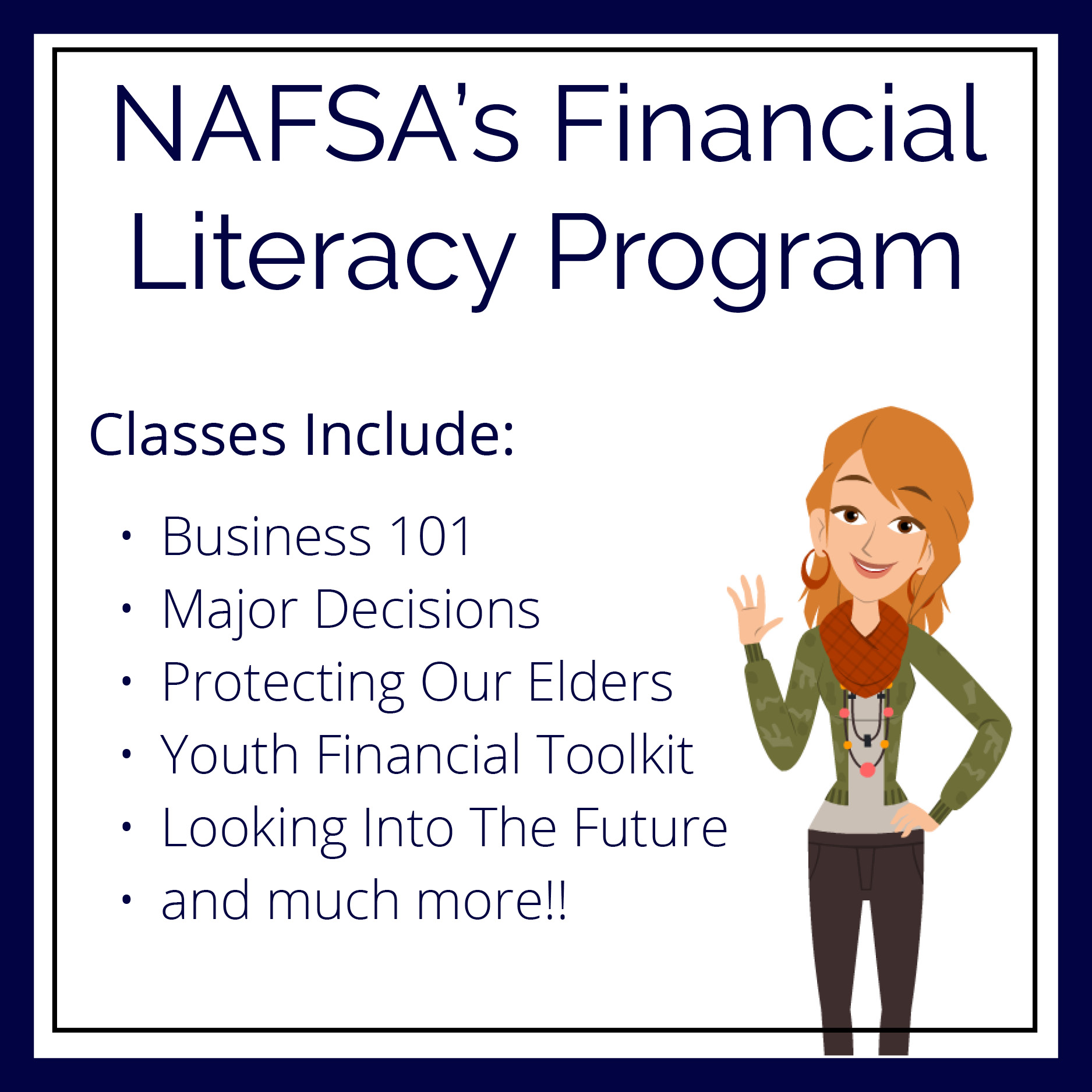
A Digital Financial Literacy Program
Too many consumers mismanage their budgets, make uninformed investment decisions, and fail to properly plan for the future. NAFSA is committed to empowering people with the skills they need to change this trend and thrive financially. NAFSA’s Financial Literacy Program offers an assortment of digital modules covering a wide variety of financial topics, including building emergency savings, mortgage education, and retirement planning.
Tribal Online Lending Best Practices
NAFSA has developed Best Practices for the exclusive use of all NAFSA Members as it relates to their Tribal Online Lending businesses. We believe these Best Practices will help ensure consumer protection, quality service, and positive customer and industry interactions during the life of the loans made by tribal lending entities who are NAFSA members. Our Best Practices apply to all stages of the loan, including marketing, origination, servicing, collecting, and ongoing data privacy.
The Latest Financial News

Study Finds Only 29 Percent of Americans Report Being ‘Financially Strong’
Despite a strong, growing economy, the second annual U.S. Financial Health Pulse Trends report, issued by the Financial Health Network, revealed that the majority of Americans—roughly seven in ten adults—do not claim to be financially healthy. The report covers four...
House Financial Services Committee Passes Eight Bills, Covering Debt Collection, Small Business Lending, and Veterans’ Housing
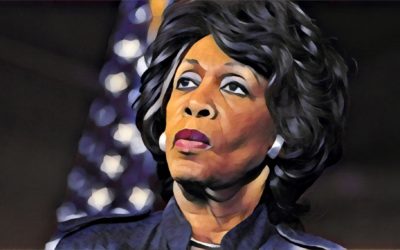
Last week, the House Financial Services Committee passed eight bills out of the full committee, six of which related to debt collectors while the other two concerned small business loans and veterans housing. According to a press release issued by Committee Chairwoman...
Sen. Udall Presses Interior on Failures to Engage in Tribal Consultation
Earlier this month, U.S. Senator Tom Udall (D-N.M.), who serves as Vice Chairman of the Senate Committee on Indian Affairs, pushed officials from the Bureau of Indian Affairs to explain its failure to engage in consultation with Tribes when determining how the BIA’s...